Health and Safety Policy for Business Waste Removal Walthamstow
Purpose: This Health and Safety policy sets out the commitments and practical arrangements of our business waste removal operation to protect employees, contractors, clients and the public during all commercial waste and rubbish collection activities within our service area. The policy applies to all aspects of commercial rubbish clearance, waste removal and recycling tasks undertaken by the company, and it reflects our duty to manage risks associated with manual handling, vehicle operations, hazardous materials and site access.
 Our approach is founded on continuous improvement, legal compliance and sensible precautions. We adopt a risk-based methodology for each contract, including pre-task assessments, site surveys and permit checks where required. Staff are expected to follow safe systems of work, report hazards promptly and support a culture in which safety is integral to the delivery of any rubbish company service area assignment.
Responsibilities and Management
 Management has overall responsibility for implementing and maintaining this policy. Specific duties include:
- Risk assessment: ensure written assessments are completed for waste streams and sites;
- Training: provide induction, task-specific training and refresher courses;
- Equipment: maintain vehicles, lifting aids and PPE to a safe standard;
- Monitoring: carry out regular inspections, audits and incident reviews.
Employees and contractors must comply with procedures, use issued personal protective equipment such as gloves, hi-vis clothing and safety boots, and follow lifting and vehicle safety guidance. Anyone identifying a potential danger related to waste handling or the rubbish removal service area should stop work, secure the scene if safe to do so, and notify a supervisor without delay. Near misses and unsafe acts are recorded and reviewed to prevent recurrence.
Operational Controls and Safe Working
 Operational controls focus on hazard elimination and reduction. Key elements include safe segregation of waste streams to avoid contact with hazardous substances, strict procedures for sharps and chemical containment, and clear instructions for loading and securing loads on collection vehicles. Vehicle checks and maintenance schedules are mandatory before each shift to reduce the risk of breakdowns and road incidents during commercial rubbish clearance.
 Manual handling procedures emphasise mechanical aids where available and team lifting techniques where required. The company enforces speed limits on sites and requires seatbelt use at all times. When working in confined or high-traffic areas, use of a banksman or designated traffic marshal is standard practice. This reduces exposure to vehicle movements and supports safe rubbish collection across the wider waste removal service area.
Incident management: all incidents, injuries and environmental releases are reported under the company incident policy and investigated to identify root causes. Corrective actions and training updates are implemented promptly. Emergency arrangements, including first-aid provision and access routes for emergency services, are maintained and reviewed with clients as part of contract planning to ensure continuity and safety for commercial waste operations.
Control of Specific Risks
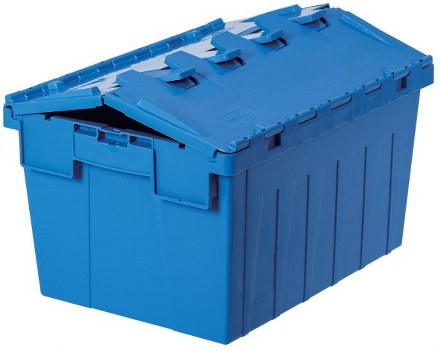
High-risk activities such as bulky waste lifting, containerised waste handling and safe disposal of hazardous items (e.g., asbestos-containing materials and certain chemicals) are managed through detailed safe work instructions. Sub-contractors engaged for specialist removal must demonstrate suitable competence and hold appropriate licences. We maintain a register of hazardous waste movements and ensure compliant transfer notes for regulated waste, reducing legal and environmental risk across our rubbish removal service area.
Training and competence: competency checks, toolbox talks and scenario-based drills are used to maintain high standards. Records of training and licences are retained and reviewed. Staff are encouraged to develop skills relevant to recycling procedures, customer liaison on-site and reporting requirements to make the waste collection process both safe and efficient.
Performance, review and continual improvement
Safety performance is tracked using leading and lagging indicators such as audit scores, near-miss reporting frequency and lost-time incident rates. Policy reviews take place at least annually or following a significant incident, change in legislation, or introduction of new working methods. This ensures the health and safety approach to business waste removal remains current and proportional to the risks encountered in the rubbish company service area.
Statement of commitment: the organisation is committed to providing the resources needed to implement this policy effectively. All personnel are expected to co-operate and play their part. By following these principles—assessment, prevention, training and review—we deliver safe and compliant commercial waste services while protecting people, property and the environment.
