Business Waste Removal in Walthamstow

Business waste removal in Walthamstow needs to be practical, well organised and suited to the type of material your premises generate. Our service covers the collection and removal of commercial waste streams from offices, shops, workshops, hospitality venues and other workplaces, with clear attention to sorting, loading and onward handling. The aim is simple: make it easier to clear unwanted business waste without interrupting the day-to-day running of your site.
We handle a broad range of commercial clearances, from mixed office rubbish and packaging to bulky items, broken furniture and other non-hazardous waste that builds up over time. Where specialised handling is required, the service can be matched to the material rather than forcing everything into a single approach. That makes it easier to keep work areas tidy, reduce clutter around shared spaces and deal with waste in a way that is orderly and straightforward.
If you are comparing options, the important thing is whether the collection is suitable for the volume, access and type of waste you need removed. Use the information here to decide what needs clearing, then ask for a quote when you are ready. For smaller or one-off clearances, a simple collection can be enough; for larger or recurring needs, it helps to outline the full scope so the right arrangement can be put in place. Start with what needs moving, and build from there.
Commercial clearances for workplaces and premises
Our business waste removal work is designed for premises that produce mixed, bulky or regular commercial rubbish and need a dependable collection arrangement. That can include office furniture, packed-up stock, redundant shelving, paper waste, cardboard, broken fixtures and general non-confidential waste from back-of-house areas. The service is intended to help you clear items that are no longer needed while keeping the process sensible for staff and premises managers.
For many businesses, the main decision is how the waste is presented for collection. Some sites need a straightforward removal from a ground-floor loading point, while others involve internal lifting, narrow routes or shared access. The more clearly the job is described, the easier it is to plan an efficient visit. If you already know which items are staying and which are going, that helps keep the waste removal focused and manageable. You can also separate reusable items from true waste before the collection, which often makes the process tidier.
Typical business waste types we can remove
Commercial waste can vary a great deal from one site to another, so it helps to think in categories rather than assume a single clearance method will suit every job. Typical items include desks, chairs, cabinets, boxed-up office debris, packaging, display materials, general junk from storage rooms and other non-hazardous refuse that has accumulated during trading, refurbishment or relocation. Where items are mixed, they can usually be grouped sensibly so the collection stays orderly. A clear breakdown also makes it easier to understand what needs special handling and what can be removed as general business waste.
- Office furniture and loose furnishings
- Cardboard, packaging and shop waste
- General non-confidential business rubbish
- Storage-room and back-office clearances
- Bulky items from commercial premises
Office waste removal and internal clearance work
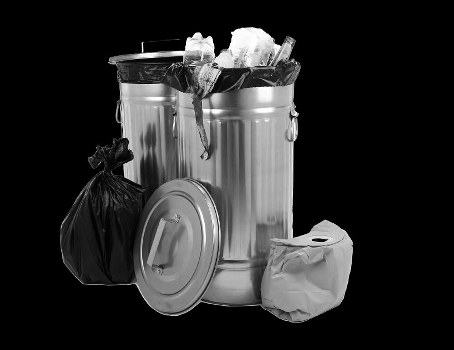
Office waste removal often involves more than just taking away bags of rubbish. Many workplaces need help with surplus furniture, worn-out storage, old reception items, redundant fittings and accumulated paperwork that is not confidential but still needs to be cleared carefully. Our service is suited to that sort of practical office reset, where the goal is to free up space without creating disruption in active working areas. We can support a planned clearance or a smaller ad hoc collection.
It is usually worth identifying any items that should be handled separately before the collection takes place. That might include materials that need shredding, equipment that should not be mixed with general waste, or furniture that can be taken apart more easily if the components are understood in advance. When the job is described accurately, the collection can be paced around access, floor levels and loading points. That helps avoid unnecessary delay and keeps the work focused on the actual items to be removed.
What to consider before an office clearance
A sensible office clearance starts with simple practical decisions. First, decide which rooms or zones are included, then identify any items that are being retained, resold or reused. Next, note whether the building has lift access, shared corridors, timed entry or other constraints that may affect removal. Finally, check whether the waste is spread across multiple floors or concentrated in one place. None of this needs to be complicated; it just helps create an accurate picture of the task so the collection can be matched to the site.
When workplace clearances involve furniture, it also helps to think about dismantling. Large desks, conference tables and shelving can sometimes be moved more easily in parts, but that depends on their construction and how they are fixed in place. The same applies to units that have been built around walls or fitted into tight corners. A careful approach is better than rushing, especially where surfaces, doors or floors need to be protected while the waste is taken out. If the clearance is part of a wider move or refit, a practical sequence keeps everything easier to manage.
Bulky items, fixtures and mixed commercial rubbish
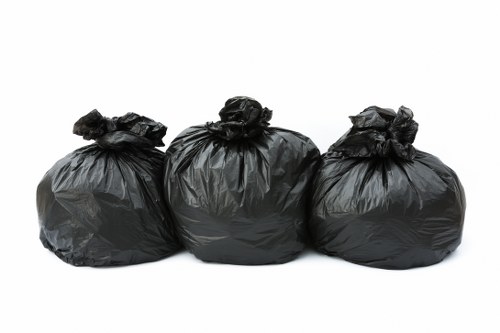
Business waste removal is not limited to bagged rubbish. Many sites need bulky-item clearance for chairs, broken counters, reception units, damaged storage and other large objects that are awkward to move through normal routines. Mixed commercial rubbish can also include smaller items gathered alongside the larger ones, so the service is arranged to remove the whole load in a sensible way rather than leaving you to separate every piece beforehand. The focus stays on safe loading and straightforward disposal.
Bulky clearances often require a little more thought about access and presentation than standard rubbish collections. For example, a stack of items near a loading door may be easy to take away, while a similar pile stored upstairs or behind fixed furniture can take longer to move. This does not have to be complicated, but it does need honest description. If a site includes both fragile fixtures and heavier waste, it is usually best to flag the difference so the collection can be planned with care.
Not every item can be treated the same way, and that matters when you are choosing a clearance. Some pieces may be reusable, some may need dismantling and some may be suitable only for disposal. We aim to remove what has genuinely reached the end of its useful life and leave the rest undisturbed. That approach works well for businesses that are clearing after stock changes, office reconfiguration or routine tidying of underused spaces.
Business waste that needs careful handling
Some commercial waste streams need extra care because they are controlled, sensitive or awkward to mix with general rubbish. Where waste falls outside normal business rubbish, it is important to separate it and choose the right route for removal. The exact handling will depend on the material, the site and any applicable rules. If you are unsure whether an item belongs with standard waste, it is better to ask before it is placed with the rest of the load.
For business premises, this can involve anything from confidential papers to items that should not be broken open, as well as appliances or other objects that are better dealt with through a more specific disposal route. A well-planned collection keeps those materials distinct from everyday rubbish and avoids accidental mixing. That protects the quality of the clearance and makes it easier to keep records or internal procedures consistent where they matter.
When you are preparing a quotation request, a short note on the type of waste is usually enough to begin with. The aim is not to write a report, but to identify any special categories early so the job is described accurately. If the waste is straightforward, the collection can remain simple. If it includes items that need additional attention, that can be taken into account before the visit is arranged. Accuracy at this stage saves time later.
Pricing, access and how quotations are assessed
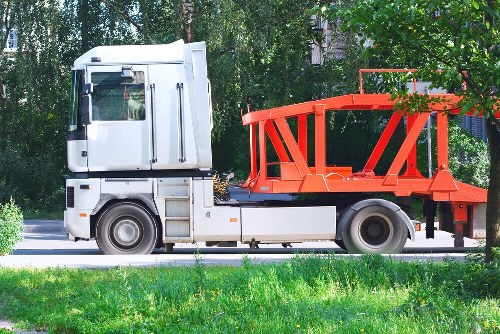
Quotation requests for business waste removal are usually shaped by a few core factors: the amount of waste, the type of material, the ease of access and any time or handling constraints at the premises. A small clearance from an open ground-floor area is very different from a mixed load collected from multiple rooms or floors. That is why the more clearly the job is outlined, the easier it is to prepare a useful quotation for the work required.
It also helps to consider whether the waste is already gathered together or still spread throughout the building. If items need collecting from several locations, or if there are stairs, narrow doorways or limited parking close to the loading point, those details affect the practical side of the job. There is no need to overcomplicate the request; just provide enough information for the clearance to be understood properly. From there, the quote can reflect the actual work involved rather than an estimate based on guesswork.
Useful details to include in a quote request
When requesting a quotation, it is often useful to include the type of premises, the approximate volume of waste and the main item categories involved. A brief description such as office furniture, packaging, general rubbish or mixed contents gives a much clearer picture than a vague request for removal. If there are access limits, collection windows or building rules that matter, include those too. You do not need to send a long explanation; a focused summary is usually enough to begin with.
The best quotation requests are practical rather than polished. A few well-chosen details can make the difference between a rough estimate and a quote that genuinely reflects the work. If there are photographs, they can help show the size of the load, but a written description is still important because it explains what the images do not. One clear message is better than several fragmented ones. Once the scope is understood, it becomes easier to decide how the clearance should proceed.
About Walthamstow
Walthamstow is a district in the London Borough of Waltham Forest in east London, with a long history that stretches from a medieval settlement to a heavily urbanised part of the capital. Its name is recorded in early sources and is often associated with the former manor and the historic parish that developed around it. The area includes a varied townscape of Victorian and Edwardian streets, post-war housing, newer apartment blocks and longstanding local centres, with High Street Walthamstow forming one of its best-known commercial routes. The district is also closely linked to transport development, especially the arrival of rail and Underground connections that strengthened its role within outer London. One of Walthamstow’s most recognisable landmarks is the William Morris Gallery, housed in a Georgian building in Lloyd Park and dedicated to the life and work of the designer, writer and socialist. Lloyd Park itself gives the area a notable stretch of open space, while Walthamstow Wetlands, to the north, is a major nature reserve and water-storage site that has become well known for birds, reservoirs and long views across the industrial landscape of east London. The district also has a strong market tradition, with Walthamstow Market often described as one of the longest outdoor markets in Europe. Together, these features give Walthamstow a character shaped by trade, movement, housing and civic change rather than a single central core.
Clearances for relocation, refurbishment and end-of-tenancy turnover
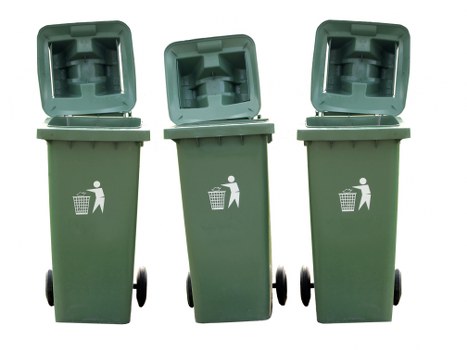
Many business waste removals are tied to a larger change within the premises. A relocation may leave behind desks, shelving and mixed unwanted items; a refurbishment may produce packaging, broken fittings and stripped-out materials; an end-of-tenancy turnover may require a fast, tidy clearance so the space can be handed back in good order. Our service is suitable for those transitions because it focuses on removing what is no longer needed without turning the job into a full site project.
It is worth separating waste that belongs to the move from items that are staying with the business. That may sound obvious, but it is easy for useful equipment, archived materials or reusable furniture to become mixed in with rubbish when several people are involved. A short walk-through of the area to be cleared can prevent mistakes. If you are preparing for a handover, the aim is simply to leave the site clear of unwanted commercial waste and easier to manage for the next stage.
Use the service description above to judge whether the clearance is straightforward or whether it needs a more structured approach. If you already know the main item groups and access details, you are ready to request a quotation. If not, make a simple note of the rooms, waste types and any limits on entry, then ask for pricing information when you are ready to move ahead.
Business waste removal for recurring or one-off needs
Some businesses only need a one-off clearance after a change of layout, stock cycle or office tidy-up. Others need repeated collections because waste builds gradually and cannot be left to pile up. Our business waste removal service can support either approach by focusing on the practical side of collection: the type of rubbish, how much there is, where it is stored and how it should be taken away. That keeps the service adaptable without making it unnecessarily complex.
Recurring clearances are often easier when the routine is simple and predictable. If the same type of waste appears regularly, it helps to describe it in consistent terms so the collection is easy to repeat. One-off jobs, by contrast, often involve mixed contents and can benefit from a slightly fuller description at the outset. In either case, the key question is the same: what needs removing, and what should stay where it is? If you can answer that, the rest of the process becomes much more straightforward.
If you want to move from planning to action, keep the request brief and specific. A short summary of the premises, waste type and access is enough to begin. After that, a quotation can be prepared and the collection arranged around your schedule. You can also request a quote here when you are ready to send the details.
Sorting, recycling and responsible disposal
Commercial waste should not be treated as a single undifferentiated load if it contains different material types. Sorting helps separate general rubbish from recyclable cardboard, furniture components, metal items and other categories that may follow different handling routes. That is one reason commercial clearances benefit from a sensible, organised approach. It is not about making the job more complicated; it is about making sure waste is dealt with in a suitable way once it leaves the premises.
Where possible, it makes sense to think ahead about what belongs in the removal and what could be reused, stored or transferred elsewhere. Businesses sometimes keep items in circulation longer than intended simply because they are tucked away in a spare room or storage area. A clearance provides a chance to make a cleaner decision about those materials. The result is usually a more controlled workspace and a waste load that is easier to manage from start to finish.
If you have a clear idea of the main waste streams, note them when you enquire so the removal can be matched to the material. That may include paper-heavy office waste, mixed storage contents or bulky furniture items. A concise description is usually better than a long list of guesses. When you are ready to proceed, use the main service page details above and send a straightforward enquiry for a quotation.